
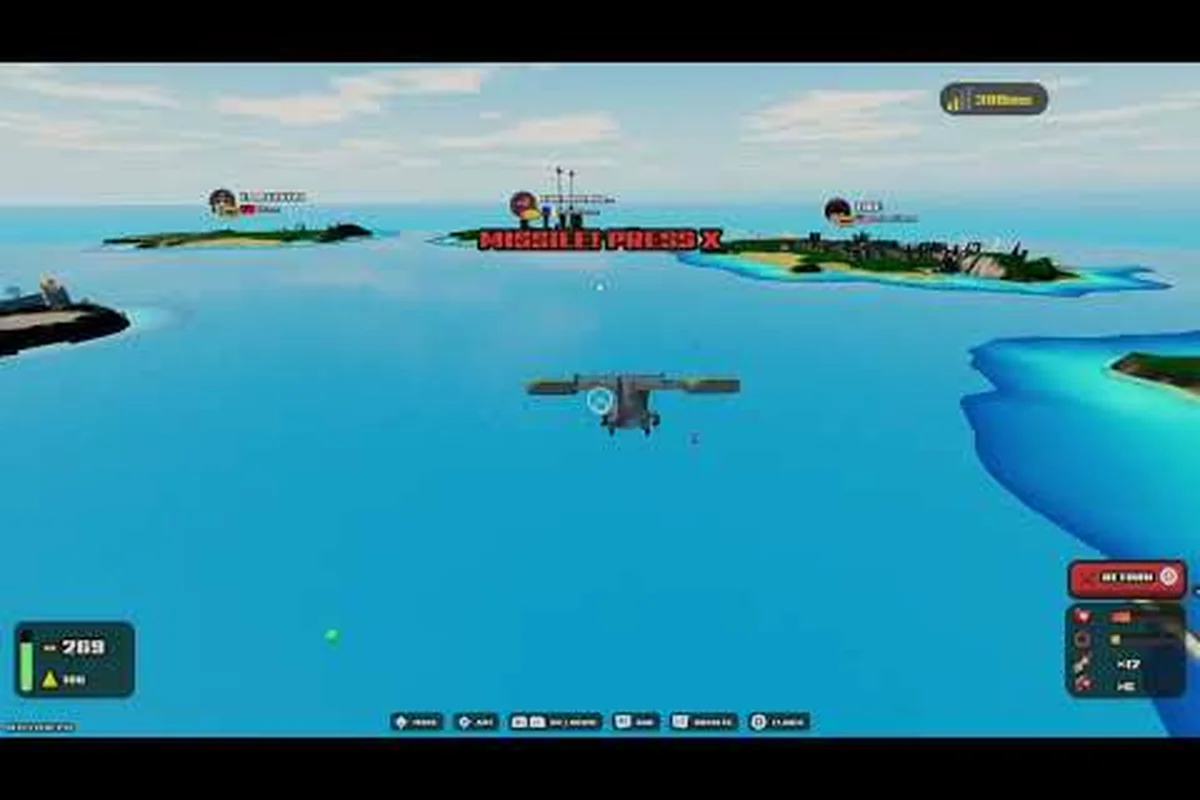
Building an island that actually snowballs in World of Nukes comes down to three decisions: where your income structures sit, when you buy new land, and how much room you leave for defenses. This World of Nukes island building guide walks through each one so your base grows instead of stalling out.
The core loop is simple on paper — earn cash, expand the island, unlock better buildings — but the order you do it in decides whether you spend the mid-game walking between structures or watching your income tick upward. According to the official World of Nukes Roblox page, the game is an island-nation tycoon where you grow a tiny camp into a superpower, and the late-game milestones are the Doomsday Device and the island wonders. Everything before that is a land-management problem.
Why Island Layout Decides Your Early Game
The single biggest mistake new players make is treating the island like a museum tour. They drop a cash structure near the spawn, another one across the map because it looked cool, and then spend the next twenty minutes sprinting between them. Every second spent walking is a second your income isn't compounding, and in a tycoon that gap widens fast.
Community gameplay from creators like Zainrail's island-building videos shows the same pattern repeatedly: experienced players keep their income structures packed close together and leave the outer ring of the island for anti-air, shields, and anything that needs breathing room. That's not an aesthetic choice — it's a travel-time optimization.
Here's the rough priority most players converge on, and it's worth understanding the reasoning behind each step rather than memorizing the order. The sequence exists because income compounds on a timer while defenses only pay off once an attack actually lands — so every early dollar routed into a cash generator near your spawn snowballs, whereas a shield placed on day one sits idle until the first raid wave. Land purchases follow the same logic: buying the tile adjacent to your existing income cluster costs the same as a distant plot but adds zero travel time, effectively raising your effective income-per-minute without touching a single upgrade. Veterans also treat the list as cyclical rather than linear, since a balance patch that resizes a structure can invalidate a layout you spent an hour optimizing.
-
Cluster income first — group cash generators into a tight block near your spawn point
-
Leave a defensive ring — keep the island edge clear for anti-air and shield placements
-
Expand toward your cluster — buy land adjacent to your income block, not across the map
-
Upgrade before you sprawl — a maxed structure usually beats two fresh ones
-
Rebuild after updates — building sizes change, so expect to redo layouts occasionally
If you want a deeper walkthrough of the opening moves, the World of Nukes build guide covers the first-hour decisions in more detail — which structure to place first, how many income tiles to stack before your first land purchase, and the exact moment to start slotting anti-air instead of another cash generator. It's worth reading alongside this layout section, since the build order and the spatial plan reinforce each other: a good sequence on a bad layout still bleeds travel time, and a clean layout with a sloppy upgrade order stalls your income curve before the first raid wave ever lands.
World of Nukes Base Building: The Income Cluster Rule
Think of your island as having two zones: a dense economic core and a sparse defensive shell. The economic core is where every cash structure lives, packed shoulder to shoulder. The shell is where anything with a range or a cooldown goes, because those buildings don't need to be near your income to do their job.
Why does clustering matter so much? Because most tycoon games in this genre gate your collection behind physical proximity. If your cash structures are spread out, you either collect them one at a time with long walks in between, or you miss collection windows entirely while you're off buying land. A tight cluster means one loop through your base collects everything.
| Layout Style | Travel Time | Income Efficiency | Defense Room | Best For |
|---|---|---|---|---|
| Tight cluster near spawn | Very low | High | Medium | Early and mid game |
| Spread evenly across island | High | Low | High | Late game with fast travel |
| Cluster plus outer ring | Low | High | High | Most players, most of the run |
| Two separate clusters | Medium | Medium | Medium | After first major expansion |
The cluster plus outer ring pattern is the one worth defaulting to. It keeps your collection loop short while still giving anti-air and shields the perimeter space they need to cover the whole island. Concretely, keep your cash structures within roughly one tile of each other in the core so a single walk-through triggers every collection prompt, then push turrets and shield generators to the outer edge where their coverage radius overlaps rather than stacking on top of each other. This is why the layout ranks "High" on both income efficiency and defense room in the table above — you get the tight-cluster travel time without sacrificing the perimeter coverage that a spread layout buys you.
Where to Put Your First Five Structures
Your opening placement sets the tone for everything after. Put your first cash structure directly beside the spawn point, then build outward in a line or a tight L-shape rather than a circle. Lines and L-shapes are easier to walk than circles because you never double back on yourself.
Reserve the space immediately behind your spawn for future income buildings — that's the land you'll expand into first. The World of Nukes base layout breakdown goes into exact tile counts and spacing if you want to plan it precisely.
World of Nukes How to Expand Island Land Without Wasting Cash
Expansion is where most players bleed money. New land is expensive, and buying it in the wrong direction means you've paid for real estate you won't use for another ten minutes. The rule that saves you: only buy land that touches your existing income cluster or your planned defensive ring.
There are three expansion directions, and each has a clear use case: adjacent-to-cluster plots for cheap per-tile income growth, edge plots for perimeter anti-air and shield coverage once those unlocks appear, and center or water-adjacent plots reserved for Wonders and the Doomsday Device. The cost-per-useful-tile gap between cluster and edge land is what makes early adjacency buys so efficient — you're paying for tiles your cash structures will actually touch, not buffer space that sits idle until the mid-game defensive unlock.
| Direction | Cost Feel | When to Buy | What Goes There |
|---|---|---|---|
| Adjacent to income cluster | Cheapest per useful tile | Whenever affordable | More cash structures |
| Toward island edge | Moderate | Once defenses unlock | Anti-air, shields |
| Toward map center or water | Varies | Late game | Wonders, Doomsday Device |
Buying adjacent land is almost always correct early because it extends your collection loop rather than fragmenting it. Edge land becomes worth it the moment you unlock anti-air, since those structures want perimeter coverage. Center and water-adjacent plots are late-game purchases tied to the big milestones.
A practical sequence that works for most runs: buy one plot adjacent to your income cluster the moment you can afford it, drop your best unlocked cash structure on it, then repeat until the cluster holds roughly four to six structures. That density matters because adjacent tiles let a single collection route sweep every structure without detours — the same reason straight-line expansion stalls around mid-game while block-shaped growth stays compact. Only after defensive buildings appear in your unlock list should you pivot to edge plots for perimeter anti-air and shields, saving center and water-adjacent tiles for Wonders and the Doomsday Device.
-
Buy one plot adjacent to your cluster as soon as you can afford it
-
Fill it with the best cash structure you've unlocked
-
Repeat until your cluster feels dense, roughly four to six structures
-
Switch to edge plots once defensive buildings appear in your unlock list
-
Save center plots for wonder and Doomsday Device placement
Community reports suggest that players who expand in a straight line away from spawn tend to hit a hard wall around the mid-game, because their collection route becomes a long corridor. Expanding in a block shape keeps the route compact.
World of Nukes Island Design: Leaving Room for Defenses
Defense placement is the part of island design that players regret most often, because it's the thing you can't retrofit cheaply. Anti-air and shields need coverage, and coverage means perimeter space you didn't fill with cash structures. The safe approach is to designate your island's outer ring as permanently defensive from the start. Even before you unlock anti-air, don't put income buildings there. Treat that ring as reserved land. When the defensive unlocks arrive, you drop them in without tearing anything down.
Anti-air placements want to sit where they can reach the airspace over your income cluster, which usually means the edge nearest your base rather than the far side of the island. Shields work best layered around your core so that anything approaching has to pass through more than one bubble.
The Rebuild Problem After Updates
Building footprints change when the game updates, and that means layouts that fit perfectly last month may overlap this month. Community video coverage of rebuilds after updates shows players routinely redoing their entire island layout. Plan for it: keep a little slack between structures so a size change doesn't force a full teardown.
If you want to see how other players sequence their rebuilds, the World of Nukes build order walkthrough covers placement order and island editing in detail. Pay attention to where experienced builders place high-cost structures like reactors and launch silos relative to cheap, frequently-moved buildings — that ordering is what keeps a footprint change from cascading across the whole layout. Watching a full rebuild also shows how island editing tools let you nudge or relocate a single structure instead of tearing down a whole cluster, which is the difference between a ten-minute fix and a full island redesign.
World of Nukes Island Upgrades: What to Prioritize
Upgrades compete with expansion for the same cash, and the wrong choice stalls your growth. The general rule: upgrade income structures before you buy new land, but buy land before you upgrade defenses. Income upgrades pay for themselves; defensive upgrades don't generate anything.
| Priority | Upgrade Type | Why It Comes First | Rough Timing |
|---|---|---|---|
| 1 | Cash structure tiers | Direct income multiplier | Early game |
| 2 | Land adjacent to cluster | More slots for income | Early to mid |
| 3 | New building unlocks | Access to better structures | Mid game |
| 4 | Defensive structures | Protects what you've built | Mid to late |
| 5 | Wonders and Doomsday Device | Endgame milestones | Late game |
The new building unlocks tier is the one players constantly underestimate. A single unlocked structure that out-earns your current best is worth more than three upgrades to a weaker building, so check your unlock list before dumping cash into tier-ups.
When to Stop Upgrading and Start Expanding
If your collection loop takes more than a few seconds to complete and your cash structures are all near max tier, it's time to expand. Sitting on a maxed cluster with nowhere to build is the classic mid-game plateau. The World of Nukes best layout comparison breaks down how much land different strategies actually need.
Common Island Building Mistakes to Avoid
Most stalls in this game trace back to a handful of repeatable errors, and nearly all of them surface during the first expansion wave, when your starting block is full and every new plot competes for the same travel path. Avoiding them is worth more than any single optimization, because a compact cluster keeps your collection loop short while a scattered layout quietly doubles the time between payouts. The six failures below are the ones that most often force a full island rebuild rather than a cheap fix.
-
Spreading income across the whole island — kills your collection loop and wastes travel time
-
Filling the perimeter with cash structures — leaves no room for anti-air and shields later
-
Buying land in a straight line — creates a corridor instead of a compact block
-
Upgrading defenses before income — defenses don't pay for themselves
-
Ignoring unlock lists — you may be upgrading a building you're about to replace
-
No slack between structures — update footprint changes force full rebuilds
Each of these costs you either time or cash, and in a tycoon both compound — a scattered layout that adds even 20 seconds to your collection loop bleeds that time on every single payout cycle, so a mistake made in your first expansion wave is paid for dozens of times over before you ever reach the next island tier. The fix for all six is the same discipline: cluster income so your collector path stays short, reserve the perimeter ring for anti-air and shields rather than cash structures, expand in compact blocks instead of corridors, and check the unlock list before sinking cash into an upgrade you're about to replace.
Frequently Asked Questions
How should I place my first buildings in World of Nukes?
Put your first cash structure right beside the spawn point and build outward in a line or tight L-shape. Keep the island perimeter clear from the start so anti-air and shields have room later. A compact cluster near spawn keeps your collection loop short and your income steady through the early game.
How do I expand my island without wasting cash?
Only buy land that touches your existing income cluster or your planned defensive ring. Adjacent plots extend your collection loop instead of fragmenting it, while edge plots are worth buying once defensive buildings unlock. Save center and water-adjacent plots for wonder and Doomsday Device placement in the late game.
Should I upgrade buildings or buy new land first?
Upgrade income structures before buying land, but buy land before upgrading defenses. Income upgrades pay for themselves quickly, while defensive upgrades generate nothing. Also check your unlock list first — a newly available structure that out-earns your current best is usually a better buy than another tier-up.
Why does my layout break after game updates?
Building footprints change when the game updates, so structures that fit perfectly before may overlap afterward. Community video coverage shows players routinely rebuilding their entire island after size changes. Leave a little slack between buildings so a footprint change doesn't force a full teardown.
Where do anti-air and shields belong on the island?
Anti-air wants the edge nearest your income cluster so it can cover your base's airspace, not the far side of the island. Shields work best layered around your core so anything approaching passes through more than one bubble. Reserve the outer ring as permanent defensive space from your first placement.
Putting the Island Plan Together
The whole strategy reduces to one habit: protect your collection loop. Cluster income structures near spawn, expand in blocks that touch what you already own, and treat the island perimeter as reserved defensive land from day one. Upgrade income before land, land before defenses, and always check unlocks before spending.
Do that consistently and the island stops being a walking simulator and starts compounding. Concretely, each block you add should pay for itself: a cluster of upgraded income structures placed adjacent to existing ones raises your per-second yield without stretching your defensive ring, so the next land purchase and the next defensive upgrade come faster than the last. That snowball is what carries you through the late-game milestones — the wonders and the Doomsday Device — which stay reachable for any player who keeps their economy dense and their perimeter defenses clear rather than sprawling thin across the map.