
Island Building
World of Nukes island building: layout ideas, build order, land expansion and the income-first priorities that pay for every later military upgrade.
Introduction
Island building is the quiet half of World of Nukes that decides most of your success, because everything else — missiles, jets, warships, nukes and even your defenses — sits on an island you constructed yourself. The core skill here is not decoration; it is economic geometry. You start with a modest camp and a finite amount of buildable space, so every building placement, every land purchase and every upgrade affects how fast your cash compounds and how vulnerable your core is when attacks arrive. The community has already settled on a few principles that hold across play styles: place buildings close together so upgrade travel time stays short, prioritise income buildings before military structures, expand land gradually instead of buying everything at once, and always reserve a ring of space around your key buildings for anti-air and shields later. This category walks through those principles in order — starting layout, build order, land expansion, defense-aware design and the camps-to-superpower milestone chain — so you can plan an island that grows cash fast and survives the nuke exchange when rivals finally reach your shores.
Island Building Principle Table
| Principle | What It Does | Common Result |
|---|---|---|
| Compact core | Keep starting buildings close | Shorter upgrade travel, faster loop |
| Income first | Place earning buildings before military | Compounding cash flow |
| Gradual expansion | Buy land as the economy justifies it | No cash starvation |
| Defense ring | Reserve anti-air and shield space | Survivable late-game base |
Building Principles
Compact Core Layout
Close clusters keep upgrade travel short
Income-First Build Order
Earning buildings before the military line
Gradual Land Expansion
Buy plots only as cash justifies them
Defense Ring Reservation
Reserved space for anti-air and shields
Core Mechanics
Island building in World of Nukes follows a deceptively simple mechanical loop with a spatial twist. Cash enters the system from income buildings, but those buildings only pay out when your island is arranged well — buildings too far apart mean slow upgrade travel, overlapping upgrade timers and wasted idling. The turn from laid-back growth into careful planning arrives around the time you reach the codes-friendly tutorial area and start stacking your first income rows. Placement rules matter because the game tracks building proximity and upgrade paths: contiguous clusters let you upgrade fast, which in turn pulls in more cash and unlocks land expansion sooner. Land itself is a scarce resource, so expansion purchases should be gradual — buy the next plot when your current built area is already producing steady cash. The mechanic gets more interesting when offensive and defensive systems enter: anti-air and shields demand reserved positions around your core, missiles need line-of-sight friends to feel safe, and the whole assembly has to stay compact enough that a single nuke does not flatten everything.
Advantages
The major advantage of treating island building as a strategic layer rather than decoration is compounding income. A tight, income-first island reaches the mid-game faster than a sprawling one because upgrade travel stays short and every upgrade slot keeps earning while you fight elsewhere. A second advantage is defense readiness: when you reserve anti-air and shield space early, you are never forced to demolish a working economy section just to fit a defense network, so your late-game transition costs almost nothing. There is also a clarity benefit — a planned layout makes the camps-to-superpower path legible, because you can see exactly which income tiers are funded and which land purchases still need to be paid for. Finally, because the tycoon genre is forgiving about cosmetic choices but brutal about economic ones, investing in layout discipline gives you a repeatable formula that works on every fresh island rather than a one-time build that falls apart when an update resizes buildings.
Challenges
The main weaknesses of island building as a strategy come down to inexperience, update risk and opponent pressure. New players often underestimate buildable space and buy land too aggressively, starving themselves of cash for upgrades that matter more. Updates also threaten careful layouts: the game is only about a month old, and balance patches can change building sizes or costs, which historically forces players to rebalance their whole arrangement after a refresh. Opponent pressure is the third factor — a focused rival can raid your economy before your offense exists, so a purely economic build order is vulnerable if you ignore military readiness entirely. Finally, exact building sizes, expansion costs and shield radii are not officially published yet, so part of the layout math still comes from community testing and can shift as data improves. The practical answer is a balanced plan: compact core for income, gradual land, and a standing reservation for defense from day one.
Frequently Asked Questions
What should I build first in World of Nukes?+
How do I expand my island land?+
Where should I put anti-air and shields?+
Quick Tips
Keep your core compact on every fresh island. Buildings placed close together shorten upgrade travel time, and shorter travel means upgrades finish sooner so the cash loop spins faster. Once that first income row is fully upgraded, you can squeeze a second row in later, but never sprawl early, because every wasted step between buildings is idle time that compounds into lost cash over a session.
Buy land with income, not before it, in World of Nukes. The common beginner trap is spending every dollar on expansion plots, which leaves nothing for the upgrades that actually raise earning power. Expand gradually and only when the currently built area already produces steady cash, so land never becomes a cash sink that starves the income upgrades you still need.
Plan defensive space before you need it, because retrofitting defense is expensive. Reserve a ring around your core for anti-air and shields from the very first layout, so you never demolish income buildings later just to fit a defense network. The moment attackers reach your shores, that reserved ring is pure survival value that costs you nothing to keep free.
Featured
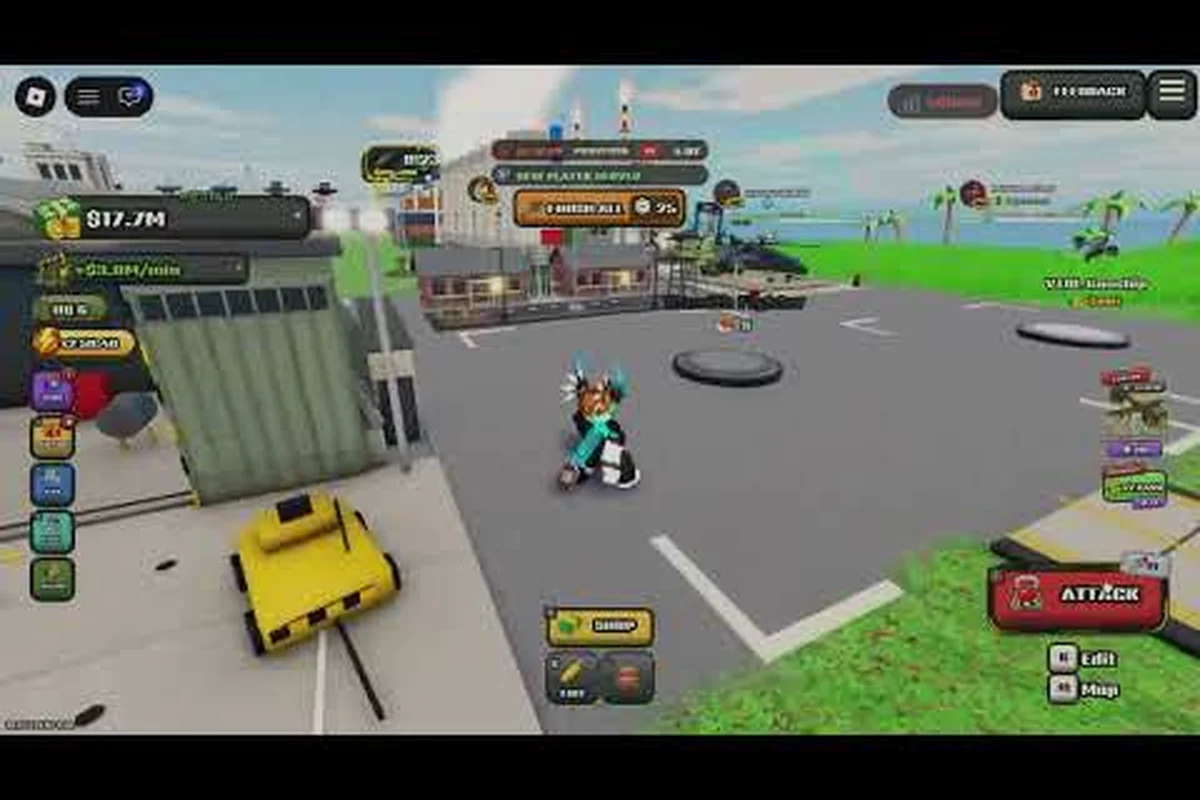
World of Nukes Base Layout: Camp to Superpower
Plan a World of Nukes base layout that grows with your island, keeping core income tight while reserving ground for anti-air and missile pads.
World of Nukes Best Build Order for a Superpower Island
Compare World of Nukes build orders for 2026 and see why income-first wins: which unlocks to chase, when to expand, and how to plan a superpower island from day one.
World of Nukes Best Layout: Compact Tycoon Setup
Copy a World of Nukes best layout that packs income buildings tight, speeds up upgrades, and leaves room for missile sites as your tycoon grows.
All Articles
World of Nukes Build Guide: Unlock New Land Faster
Use this World of Nukes build guide to place buildings for top income, unlock new land without wasting cash, and push your tropical base forward.
World of Nukes Build Order: Income Before Defense
Follow a World of Nukes build order that puts income buildings first, then layers in defense and island edits once your cash flow can fund upgrades.
World of Nukes Island Building Guide: Grow Your Base
Learn how to build in World of Nukes: cluster income structures to cut travel time, expand island plots step by step, and keep space for defenses.
World of Nukes Land Expansion: When to Buy Plots
Time your World of Nukes land expansion around income milestones so each new plot funds itself and your island never runs out of building room.